
Night leg cramps and restlessness in the limbs: why they occur and what you can do about them
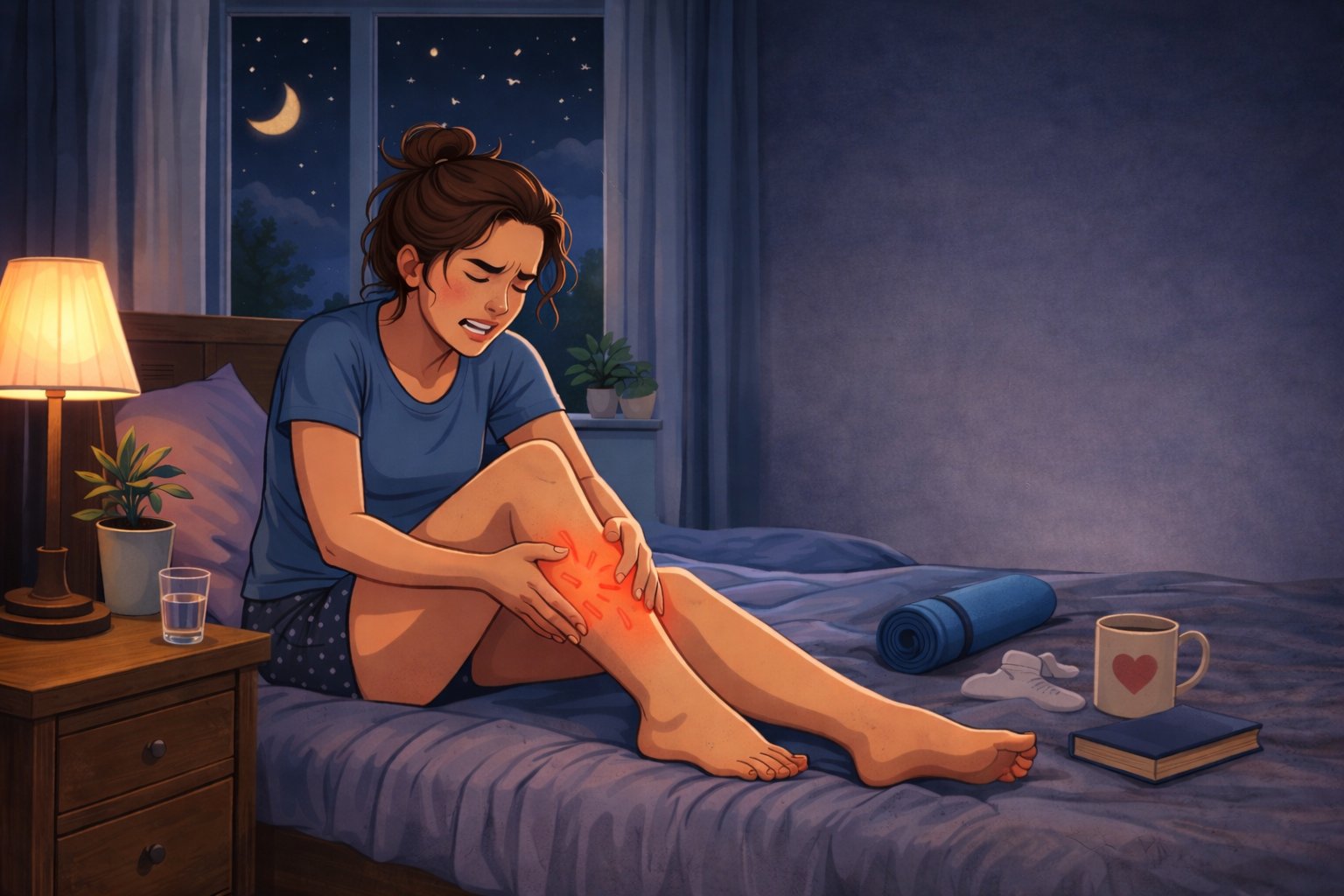 Do you wake up at night with a sharp pain in your calf or an uncomfortable feeling of restlessness in your legs that makes you constantly move them? You are not alone. Night leg cramps and restlessness in the limbs are among common problems that can significantly disrupt sleep and quality of life. They occur in athletes, people with sedentary jobs, older adults, and also in pregnant women. The good news is that in most cases, this is a condition that can be effectively relieved—if we understand its causes.
What are night leg cramps
A night cramp is a sudden, involuntary muscle contraction, most often in the calf or foot. It comes without warning, is usually very painful, and can last from a few seconds to several minutes. After it subsides, the muscle may remain sensitive for several hours.
They most commonly occur at night or during rest, when the muscle is relaxed. That is why they can wake a person from sleep and cause fatigue the following day.
Restlessness in the limbs: when it is not just a cramp
Not every problem in the legs is a cramp. Some people describe a strange feeling of tension, tingling, or an urge to move their legs. This condition is known as restless legs syndrome.
Typical signs:
- uncomfortable sensations in the legs, especially in the evening or at night
- a need to move the legs to get relief
- worsening during rest (for example when sitting or lying down)
- improvement after movement
These problems may not be painful, but they can significantly worsen falling asleep and overall sleep quality.
The most common causes of night cramps and restlessness in the legs
1. Mineral deficiency
Muscles need a proper balance of minerals to function correctly, especially magnesium, potassium, and calcium. When levels are low, the muscle becomes more sensitive to stimulation and may contract.
Risk situations:
- increased sweating
- stress
- intense physical activity
- pregnancy
- insufficient fluid intake
2. Dehydration
Even mild dehydration can disrupt mineral balance and increase the risk of cramps. This often happens in the evening, when a person drank too little during the day or sweated more than usual.
3. Prolonged sitting or standing
Modern lifestyles mean that muscles are often kept in one position for long periods. Lack of movement reduces circulation and can lead to muscle tension.
Typical situations:
- working at a computer
- long travel
- standing at work
- little movement during the day
4. Pregnancy
Night cramps are very common, especially in the second and third trimester. There are several reasons:
- higher demand for minerals
- changes in blood circulation
- pressure of the uterus on blood vessels
- muscle fatigue
This is usually a temporary condition that improves after childbirth.
5. Certain medical conditions or medications
Less commonly, cramps may be associated with:
- vein disorders
- diabetes
- thyroid disorders
- use of diuretics or certain blood pressure medications
If cramps occur very frequently or are unusually severe, it is advisable to consult a doctor.
What helps when a night cramp occurs
The most important step is to gently stretch the muscle.
For a calf cramp:
- straighten the leg
- pull the toes toward you
- gently massage the affected area
- stand on the leg if possible
- Heat (for example a warm shower or heating pad) can help relax the muscle after the cramp subsides.
How to prevent night cramps and restlessness in the legs
Adequate fluid intake
Drink regularly throughout the day, not only in the evening.
Regular movement
A short walk or simple stretching before bedtime can significantly reduce the occurrence of cramps.
Balanced intake of minerals
Particularly important are:
- magnesium
- potassium
- calcium
- vitamin B6
Stretching before bedtime
A few minutes of gentle stretching of the calves and feet is a simple but very effective prevention.
Comfortable sleeping position
Avoid positions in which the feet are kept pointed downward for long periods.
When to see a doctor
Professional evaluation is recommended if:
- cramps occur very frequently
- they are associated with swelling or pain in the leg
- they wake you up every night
- they appeared suddenly without an obvious cause
- they are accompanied by weakness or numbness
Night leg cramps and restlessness in the limbs are uncomfortable, but in most cases they do not represent a serious health risk. They are most often related to mineral deficiency, dehydration, or prolonged sitting. Simple measures such as adequate hydration, movement, and a balanced diet can significantly reduce their occurrence.
However, if the problems persist or worsen, it is advisable to consult a healthcare professional and look for the specific cause.