
How to Enjoy Running and Cycling Without Cramps and Muscle Pain
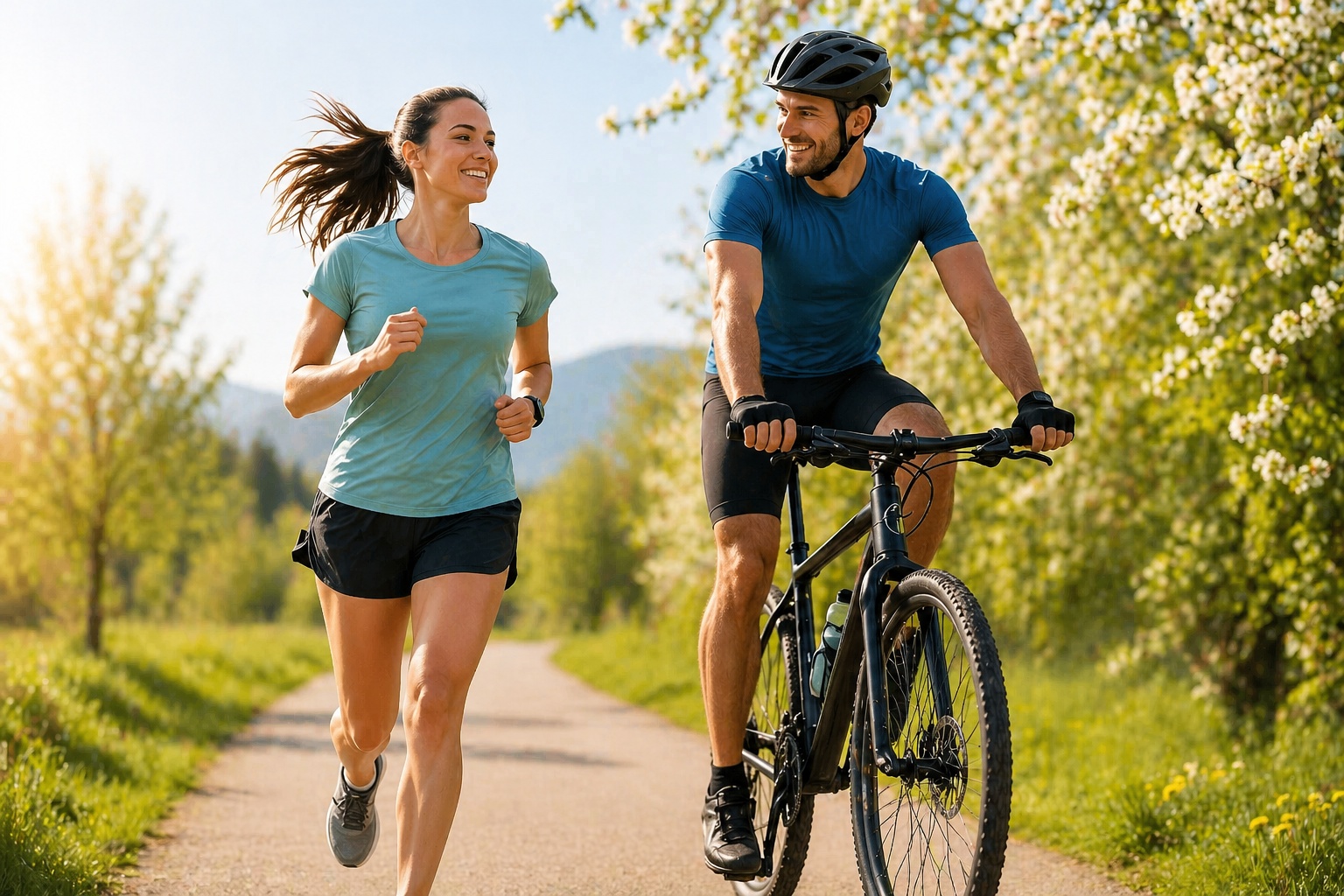
Spring is, for many of us, a symbol of a fresh start. The days are getting longer, the sun is gaining strength, and naturally we feel drawn outdoors — to go running, cycling, or take long walks in nature. After winter, however, the body is often not ready for a sudden increase in activity. That is why muscle cramps, stiffness, or unpleasant muscle soreness tend to appear more frequently during this period.
The good news is that most of these problems can be prevented quite easily.
Why Do Our Muscles Hurt and Cramp in Spring?
After the winter months, we usually have less physical activity, and our muscles are less prepared for strain. When we suddenly start running, cycling, or exercising more, the body responds with fatigue and sometimes cramps.
The most common causes include:
- insufficient hydration
- loss of minerals through sweating
- sudden increase in physical activity
- lack of magnesium and electrolytes
- inadequate warm-up and recovery
A muscle cramp is essentially the body's signal that something is missing — most often fluids or minerals.
Running and Cycling: Ideal Spring Activities
Running and cycling are among the most accessible sports and offer many benefits:
- improve fitness and endurance
- support heart health
- help reduce stress
- increase energy and improve mood
- strengthen muscles and immunity
That is why it is important to give your body the right support so you can enjoy movement without pain.
How to Prevent Cramps and Muscle Pain
Prevention is simpler than it may seem. Just follow a few basic rules:
1. Start Gradually
After winter, increase training intensity slowly. Your body needs time to adapt.
2. Don’t Forget Warm-Up and Stretching
A short warm-up before exercise and muscle relaxation afterward significantly reduce the risk of injury and cramps.
3. Stay Hydrated
During physical activity, we lose fluids and minerals through sweating. Even mild dehydration can cause fatigue and muscle problems.
4. Replenish Minerals — Especially Magnesium and Electrolytes
This is one of the most important steps that is often overlooked.
Why Magnesium Is Essential for Muscles
Magnesium is one of the most important minerals for proper muscle and nerve function. It is involved in more than 300 processes in the body, and its deficiency often manifests as:
- muscle cramps
- fatigue
- muscle stiffness
- reduced performance
- poorer sleep
With regular physical activity, the body's need for magnesium increases because it is lost through sweating.
Types of Magnesium and Their Differences
Not all forms of magnesium are the same. They differ in absorption and effect.
Magnesium Citrate
- highly absorbable form
- suitable for muscle cramps
- fast-acting
Magnesium Bisglycinate
- gentle on the stomach
- suitable for stress and fatigue
- supports recovery and sleep
Magnesium Oxide
- contains a high amount of magnesium but is less absorbable
- less suitable for active athletes
Magnesium Lactate or Malate
- suitable for long-term fatigue
- supports energy production
For active people who run or cycle, magnesium citrate or bisglycinate is most commonly recommended.
Electrolytes: The Quiet Hero of Performance and Recovery
Electrolytes are minerals that help maintain proper fluid balance in the body and ensure correct muscle and nerve function.
The most important ones include:
- sodium
- potassium
- magnesium
- calcium
We lose them through sweating, and if they are not replenished, the following may occur:
- muscle cramps
- weakness
- dizziness
- reduced performance
- slower recovery
Electrolytes are therefore especially beneficial:
- during running
- during cycling
- while hiking
- on warm days
- during prolonged physical activity
Small Changes, Big Difference
Spring is the perfect time to start moving more, improve your fitness, and do something positive for your health. To make movement a source of joy rather than pain, just remember a few simple things:
- increase activity gradually
- drink fluids regularly
- replenish magnesium
- don’t forget electrolytes
- allow your body to recover
Your muscles will thank you — and you will be able to fully enjoy your spring miles on foot or on your bike.